



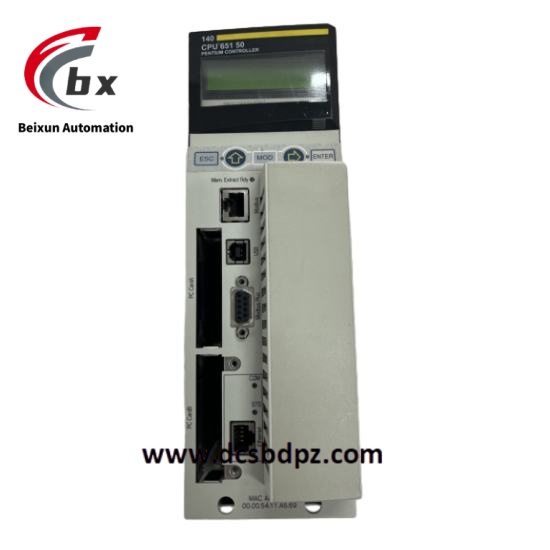
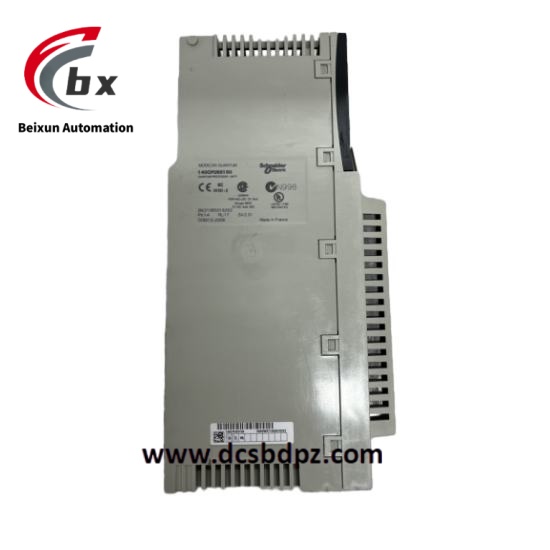
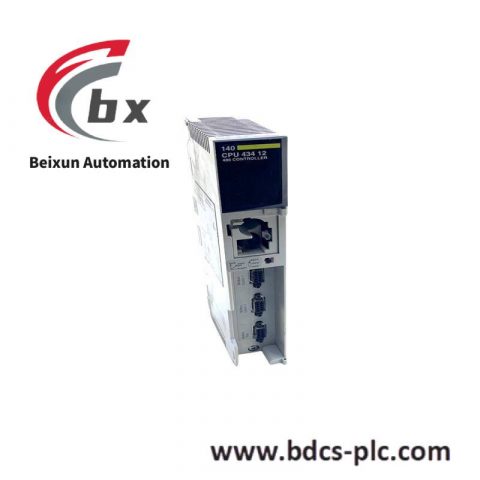
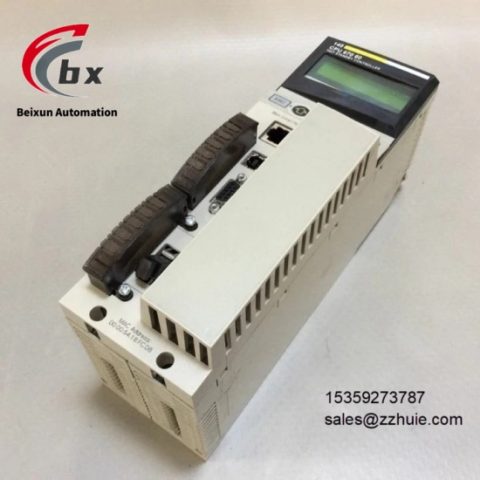
Schneider 140CPU65150 High performance integrated processor
Specific Parameters
Processor:Features a 166 MHz clock speed, enabling fast data processing and quick response times for industrial control tasks.
Memory:
- Internal RAM:768 KB, providing immediate data storage for ongoing operations.
- Programming Memory:Expandable up to 7168 KB using a PCMCIA card, allowing for the accommodation of large and complex application programs.
- File Storage:Expandable to 8 MB with a PCMCIA card, useful for storing data files related to the industrial process.
Communication Interfaces:
- Ethernet:Supports Ethernet TCP/IP, enabling high-speed data transfer and connection to networked devices. It has a data rate of 10/100 Mbps and requires a shielded twisted-pair cable as the transmission medium.
- Integrated Connection Types:Modbus, Modbus Plus, and USB are also integrated, providing flexibility in connecting to different types of industrial devices and systems. Additionally, it supports 6 optional modules including Ethernet, Modbus, Modbus Plus, Profibus DP, and Sy/Max.
Power Supply:Requires a 24 V DC input with a bus current requirement of 2160 mA.
I/O Capacity:
- Local:Supports an unlimited number of discrete and analog I/O (with a maximum of 26 slots).
- Remote:Can handle 31744 discrete inputs and 31744 discrete outputs.
- Distributed I/O:
- For Modbus Plus networks, it can manage 8000 discrete inputs and 8000 discrete outputs per network, along with 500 analog inputs and 500 analog outputs per network.
- It has 63 distributed I/O stations in total.
Environmental Parameters:
- Operating Temperature:Can function within the range of 0-60°C.
- Storage Temperature:Can be stored in temperatures ranging from -40-85°C.
- Relative Humidity:Operates in environments with up to 95% non-condensing relative humidity.
- Altitude:Suitable for use at altitudes ≤ 5000 meters.
Certifications:Holds certifications such as FM Class 1 Division 2, CSA C22.2 No 142, and UL 508, ensuring compliance with industrial safety and quality standards.
Product Performance
Processing Speed:Capable of processing 10.07 k instructions per millisecond with a mix of 65% boolean and 35% numerical operations. This high processing speed allows for the rapid execution of complex control algorithms and logic, ensuring the smooth operation of industrial processes.
Programming Software:Compatible solely with Unity Pro software. This software provides a comprehensive development environment that supports IEC 61131-3 programming languages, such as ladder diagram, function block diagram, and others, making it convenient for engineers to program and configure the controller according to specific industrial requirements.
Reliability:Offers a high Mean Time Between Failures (MTBF). It is resistant to electromagnetic interference (9.14 V/yd) and electrostatic discharge (4 kV contact/8 kV air), ensuring stable operation even in harsh industrial electromagnetic environments.
Diagnostic Capabilities:The web server-integrated diagnostic functions can be configured through software. The status of the processor can be monitored and diagnosed remotely, with the yellow STS LED indicator providing clear information about the operational status. For example, a solid yellow light indicates normal operation, while different numbers of flashes indicate specific issues like configuration in progress, invalid MAC address, or link not connected.
Redundancy Support:Can be configured for hot standby redundant systems. This feature ensures the continuity of operation in critical applications, minimizing downtime in case of a primary processor failure.
Application Fields
Manufacturing:Widely used in production line automation, where it can control the operation of various manufacturing equipment such as conveyors, robotic arms, and assembly machines. It enables precise control over the manufacturing process, ensuring high-quality product output.
Energy and Power:Applied in power station monitoring and control systems. It can monitor and regulate the generation, transmission, and distribution of electrical power, ensuring the stable operation of the power grid. In renewable energy management, it can control the operation of wind turbines, solar power plants, etc., optimizing energy production.
Water Treatment:Utilized in pump station control to manage the flow of water in water supply and wastewater treatment systems. It can also be used in wastewater treatment plant automation, controlling the various treatment processes such as sedimentation, filtration, and disinfection. Additionally, it plays a role in water quality monitoring systems, ensuring the quality of treated water meets the required standards.
Transportation:In rail transit, it is used for signal control, ensuring the safe and efficient movement of trains. In port logistics, it can manage equipment such as cranes, conveyors, and automated guided vehicles (AGVs), optimizing the handling of goods.
Petrochemical Industry:Employed in process control, where it can regulate chemical reactions, monitor and control the flow of raw materials and products in pipelines, and manage the operation of compressors and other equipment in petrochemical plants.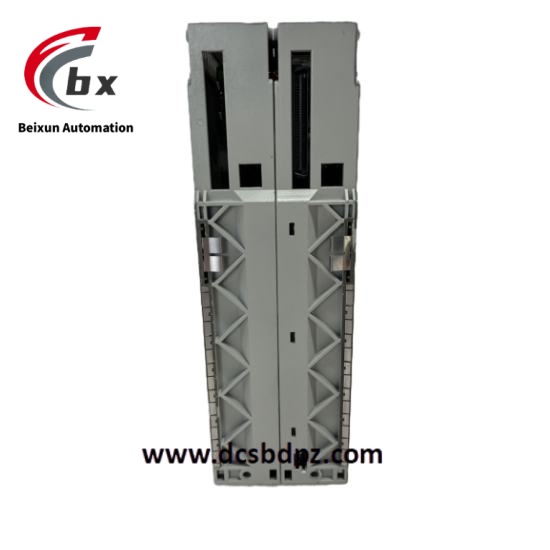


There are no reviews yet.