


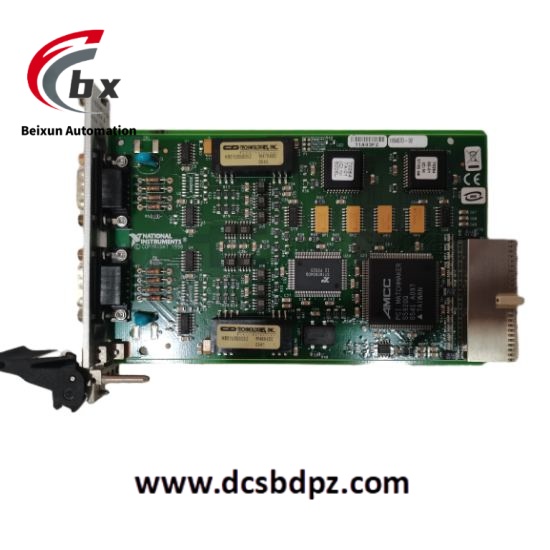
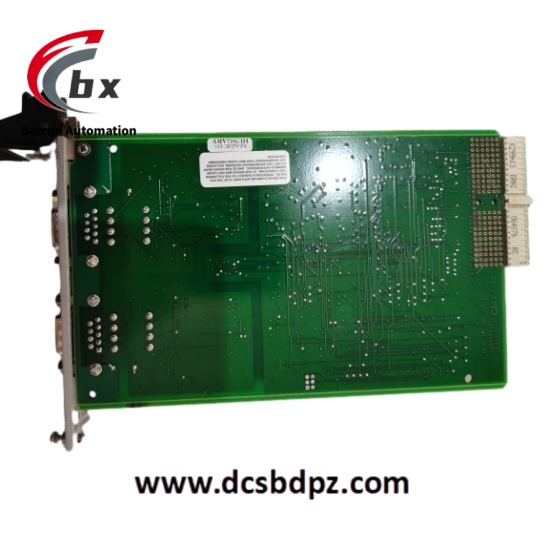

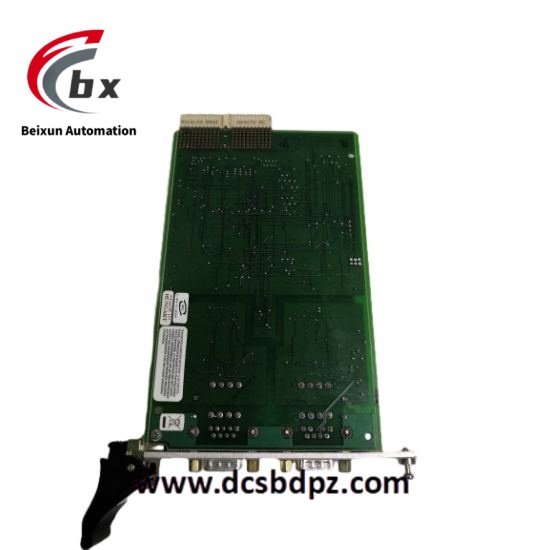
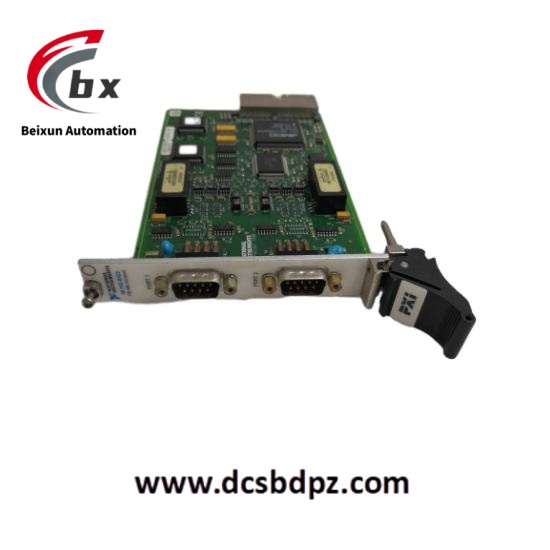
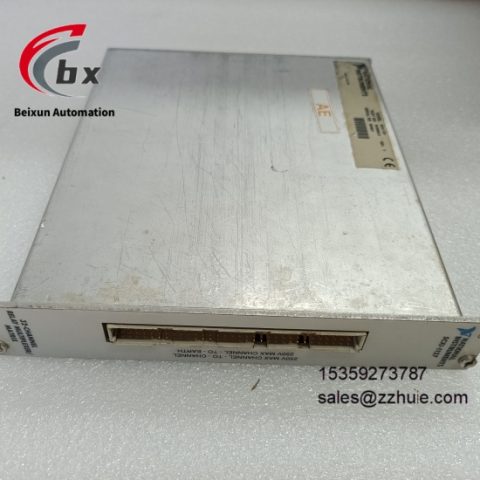
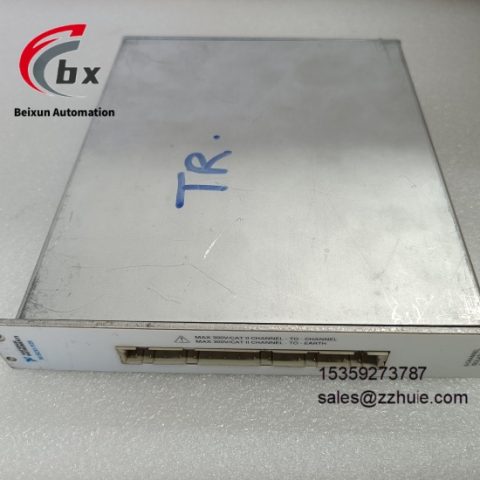
National Instruments PXI-8423 Serial communication interface card module
Port configuration: There are two configurations to choose from: 2-port and 4-port. The 2-port version uses a DB-9 male connector, while the 4-port version uses a 10 position telephone jack, which can be converted to a DB-25 or DB-9 male connector through a conversion cable.
Isolation characteristics: Each port has an electrical isolation of 2.5 kV rms, which can effectively protect the system from the effects of grounding loops and noise.
Data transmission rate: Supports a maximum high-speed data transmission rate of 460.8 kbps.
FIFO buffer: Equipped with a 64 byte FIFO buffer, it helps improve the efficiency and stability of data transmission.
Compatibility: Supports universal PCI and has plug and play compatibility with operating systems such as Microsoft 2000, NT, XP, ME, and 9X. It can be used in various programming environments such as Visual Basic and Visual C++.
Baud rate support: Supports flexible baud rates ranging from 57 b/s to 2 Mb/s, capable of communicating with devices with standard baud rate errors within 0.01%, as well as devices with non-standard baud rates.
Product Performance
High reliability: The electrical isolation characteristics can enhance the stability and reliability of the system in complex electromagnetic environments, reduce signal interference and transmission errors, and ensure the accuracy and integrity of data transmission.
Flexible configuration: Supports automatic detection of multiple baud rates and data formats, and can automatically adjust communication parameters according to the needs of connected devices. At the same time, it provides driver and receiver enable control, supports 2-wire and 4-wire RS-485 communication modes, and users can flexibly configure communication methods according to specific application scenarios.
Easy to use: Compatible with commonly used programming environments such as NI LabVIEW, users can easily use familiar development tools for module configuration, control, and data processing, reducing development difficulty and improving development efficiency.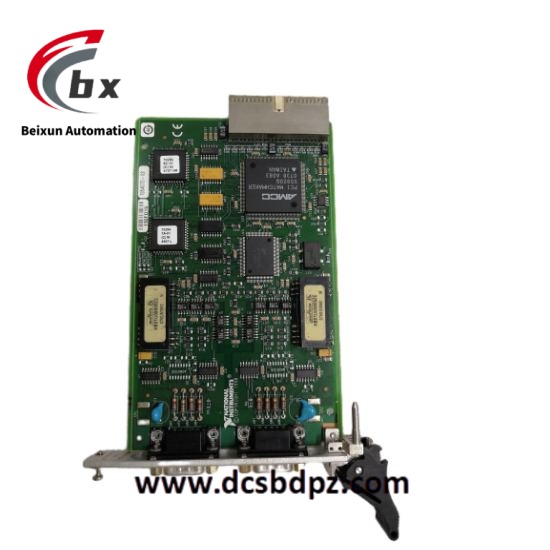



There are no reviews yet.