


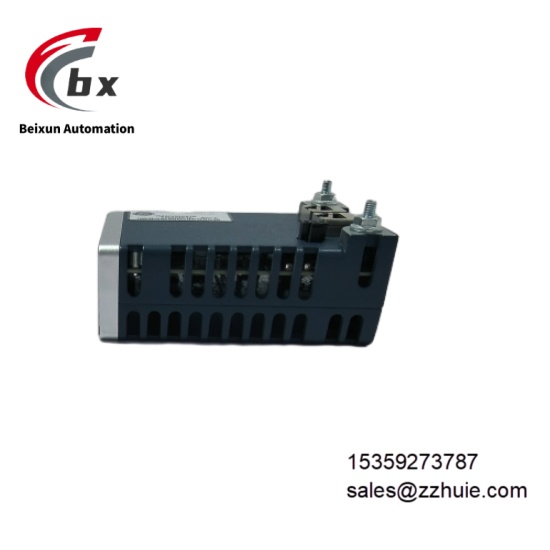

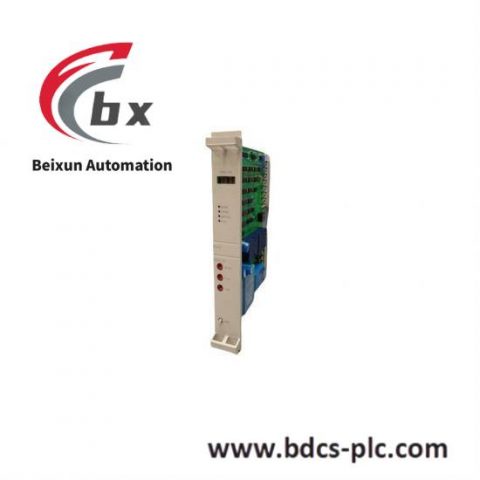
GE IS420YDIAS1B Analog input module
Specific Parameters
- Electrical ParametersSupply Voltage: 24V DC (industrial standard control power supply)Input Channels: 10 independent analog inputs, supporting channel function configurationSignal Types: 2 channels configurable as ±1mA/4-20mA current input; 8 channels configurable as ±5V/±10V voltage input or 4-20mA current inputConversion Resolution: 16-bit ADCIsolation Level: Electrical isolation between input and control logic, isolation voltage ≥1500V DC (1min withstand voltage test)Diagnostic Functions: Supports power-on self-test covering flash memory, RAM, processor board hardware and Ethernet ports; built-in test mode checks input response every 4 seconds; under-voltage detection alarms when wetting voltage drops below 40% of nominal valueFirmware Requirement: Compatible with firmware version V05.01 or higher
- Environmental ParametersOperating Temperature: -40°C to 70°C (non-condensing environment)Storage Temperature: -55°C to 85°CRelative Humidity: 5% to 95% (non-condensing, no persistent dew)Vibration Resistance: 10-500Hz frequency range, 1.5g acceleration (compliant with IEC 60068-2-6 standard)Shock Resistance: 30g acceleration, 11ms duration (compliant with IEC 60068-2-27 standard)
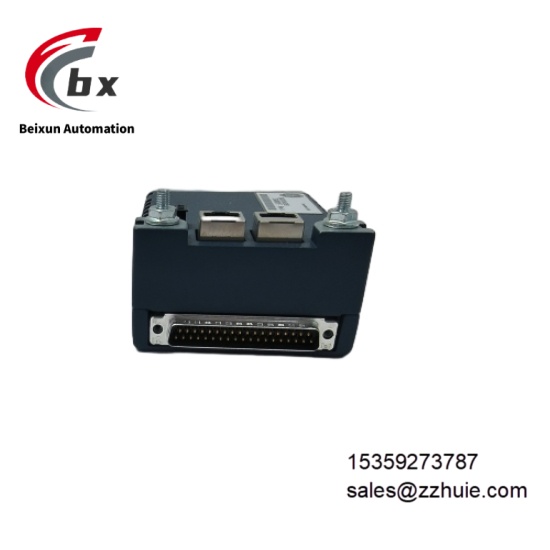
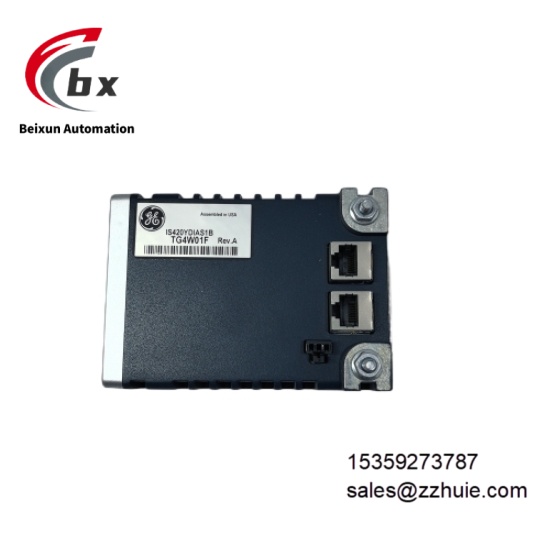
- Mechanical ParametersDimensions: 160mm (L) × 160mm (W) × 120mm (H)Mounting Method: Compatible with Mark VIe control system rack installation, supporting DIN rail or surface mountingHousing Material: Flame-retardant reinforced engineering plastic (UL 94 V-0 grade, chemical corrosion resistant)Connectors: Dual RJ45 Ethernet connectors, standard industrial-grade high-density pin connectorsIndicators: Independent status LED per channel, dual-color indicators for power, operation and fault alarm
Product Performance
High signal acquisition accuracy: 16-bit ADC ensures analog signal conversion linearity error ≤±0.02%, enabling accurate capture of subtle changes in process variables such as temperature and pressure. Self-test and diagnostic functions cover core hardware, communication ports and input status, with fault response time ≤100ms. Fault information is uploaded to the control system in real time via Ethernet, significantly reducing troubleshooting time.
Excellent hardware stability: Adopts industrial-grade components and wide-temperature design, with Mean Time Between Failures (MTBF) ≥1.0×10⁶ hours, enabling continuous and stable operation in industrial scenarios with high temperature and strong electromagnetic interference. Strong redundancy adaptability: supports consistent hardware configuration for each branch in TMR applications to ensure synchronous response of the redundant system.
Efficient communication transmission: High-speed data interaction with terminal boards and main control units via Ethernet interface, with signal transmission delay ≤20ms, meeting the signal synchronization requirements of real-time control scenarios.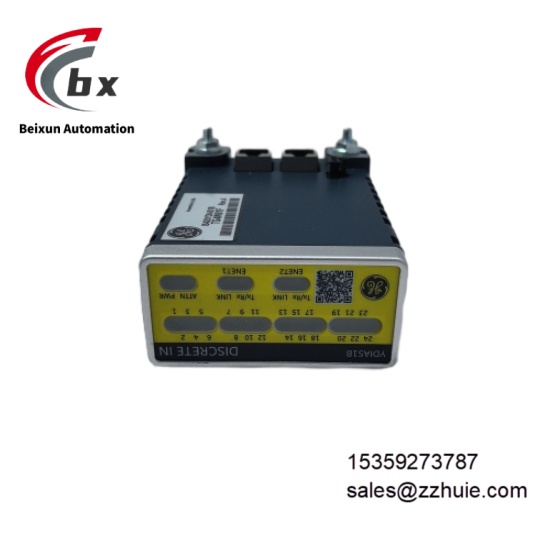


There are no reviews yet.