


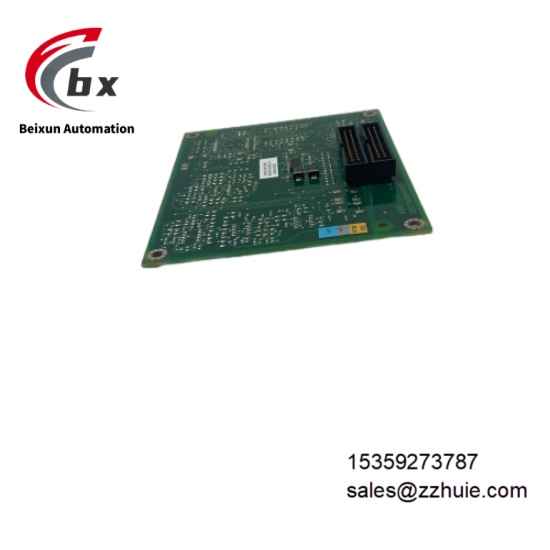

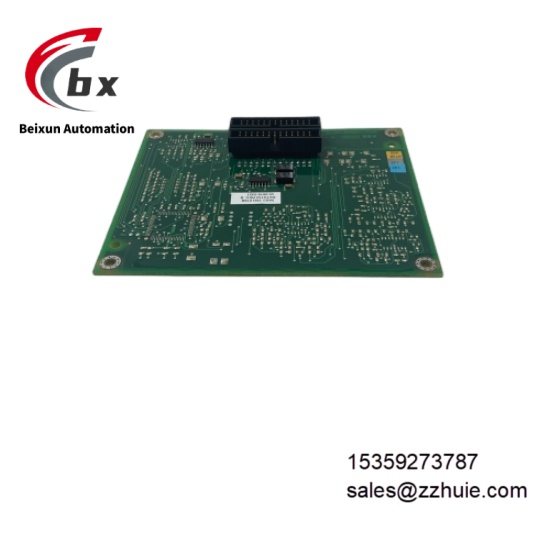
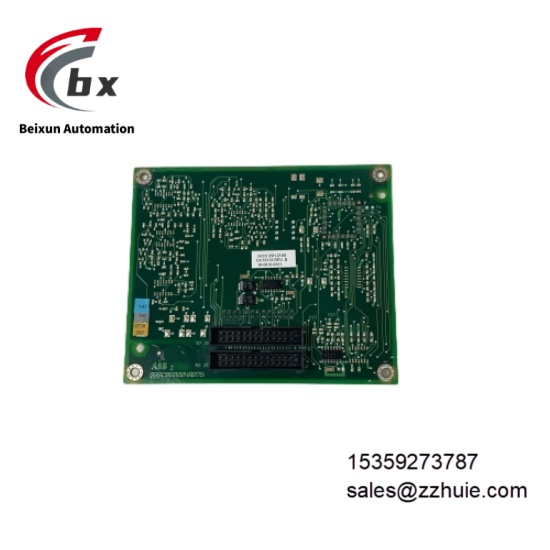
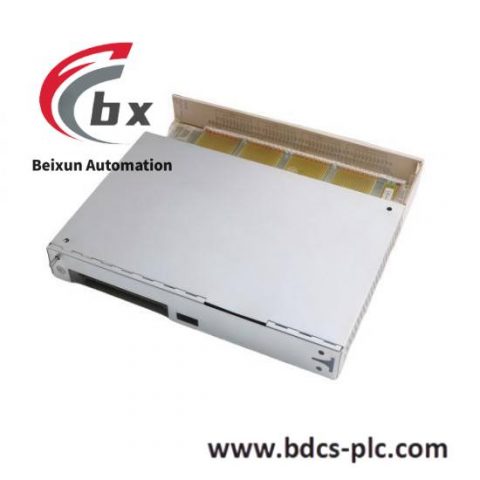
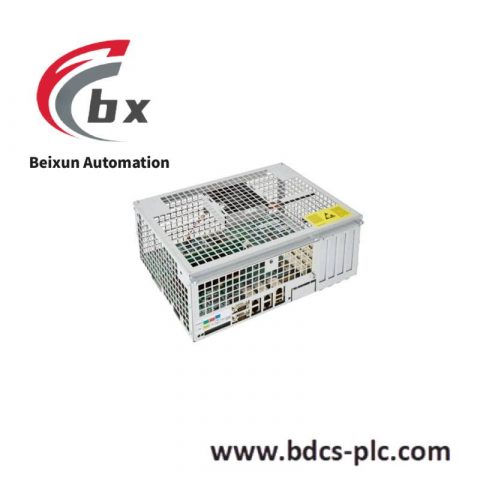
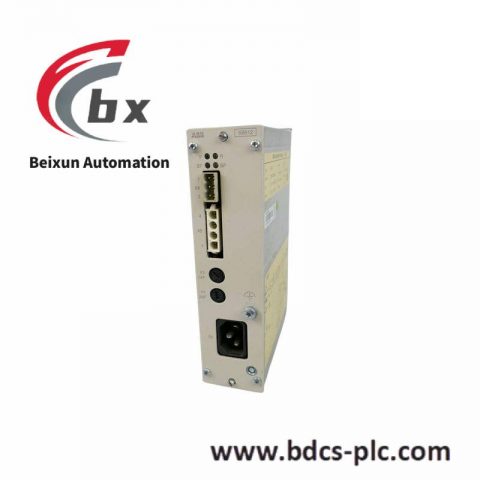
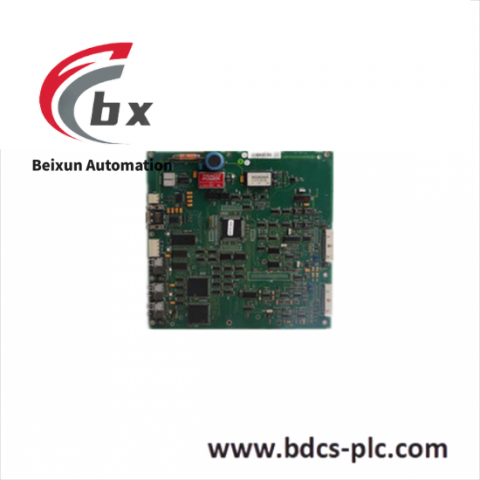
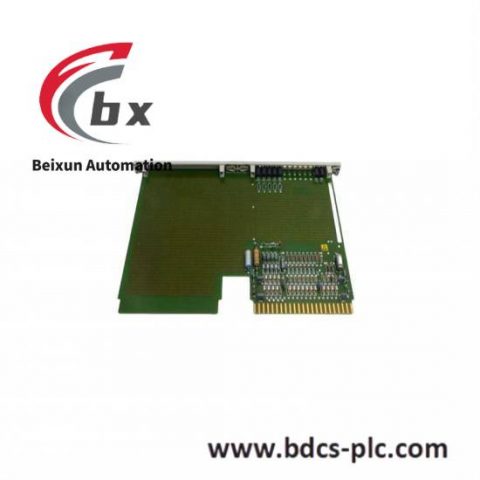
ABB 3ASC25H219B DATX133 Distributed Control System Module
Specific Parameters
- Electrical ParametersProcessor: 32-bit RISC processor, clock speed ≥300MHzMemory Configuration: 64MB RAM (data memory, supports power-off backup), 32MB Flash (program memory, permanent storage of configuration)Power Requirement: Adaptable to Symphony Plus system redundant power supply, supports 24V DC wide-voltage input (19.2-30V DC)Communication Interfaces: 2x 10/100Mbps Ethernet (RJ45 interface), 1x PROFIBUS-DP master interface (RS-485)Supported Protocols: Modbus TCP/RTU, PROFIBUS-DP, OPC UA, IEC 61850 (optional)Redundancy Performance: Supports dual-machine redundancy configuration, master-standby switchover time <100ms, no I/O data loss during switchoverProgramming Standard: IEC 61131-3 (Ladder Diagram LD, Function Block Diagram FBD, Structured Text ST, Instruction List IL, Sequential Function Chart SFC)Time Synchronization: Built-in Real-Time Clock (RTC), event timestamp accuracy ≤1ms, supports IRIG-B time synchronization interface (optional)
- Environmental ParametersOperating Temperature: 0°C to 55°C (non-condensing, no derating)Storage Temperature: -40°C to 85°CRelative Humidity: 5% to 95% (non-condensing, continuous operation for 168 hours at 90% humidity and 40°C without failure)Protection Class: IP20 (module itself), suitable for control room cabinet installation environmentEMC Immunity: Complies with IEC 61000-4-2 (ESD), IEC 61000-4-3 (RF radiation), IEC 61000-4-4 (EFT) standards
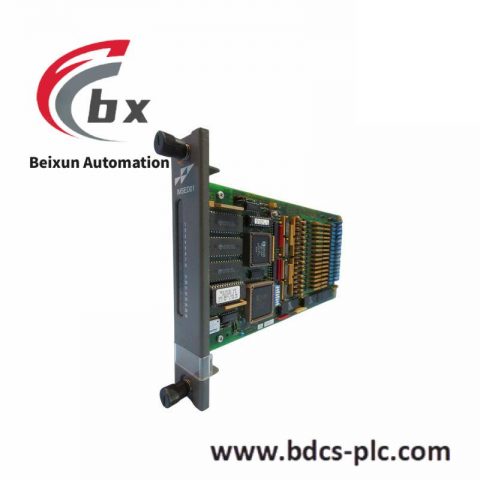
- Mechanical ParametersMounting Method: Standard 19-inch rack slot mounting for Symphony Plus system, supports hot swapping (online replacement without system interruption)Indicators: 4 sets of bi-color LED indicators — RUN (green steady/blinking), STANDBY (yellow steady), FAULT (red steady), COMM (green blinking)Module Dimensions: 48.3mm (W) × 177.8mm (H) × 228.6mm (D) (adapts to standard rack unit size)Weight: Approximately 0.8kg
Product Performance
It has high instruction processing efficiency. The 300MHz processor can run more than 100 PID loop regulation logics simultaneously, with a boolean operation scan cycle ≤0.08μs/instruction and a complex function block (e.g., fuzzy control) processing cycle ≤1ms, meeting the requirements of high-speed industrial process control. The dual-machine redundancy mechanism enables “non-disturbance switchover”; when the master module fails, the standby module takes over control authority instantly, and I/O scanning, control output, and communication links remain continuous, with no production interruption risk.
It has strong communication interaction capability. The dual Ethernet interfaces can connect to operator stations and SCADA systems respectively to realize parallel data transmission; the PROFIBUS-DP interface supports access of 127 slave devices, with a maximum communication rate of 12Mbps, ensuring real-time data interaction of field devices. Built-in comprehensive self-diagnostic functions can real-time monitor CPU load, memory usage, communication link status, and power voltage; fault information is synchronously uploaded via indicators and bus, allowing maintenance personnel to quickly locate problems.
Data storage is reliable. Flash memory permanently stores control programs and hardware configurations; RAM cooperates with super capacitors to achieve 72-hour data backup after power-off; the real-time clock provides accurate timestamps for event records, and can store 1000 Sequence of Events Records (SER), meeting fault tracing and auditing requirements.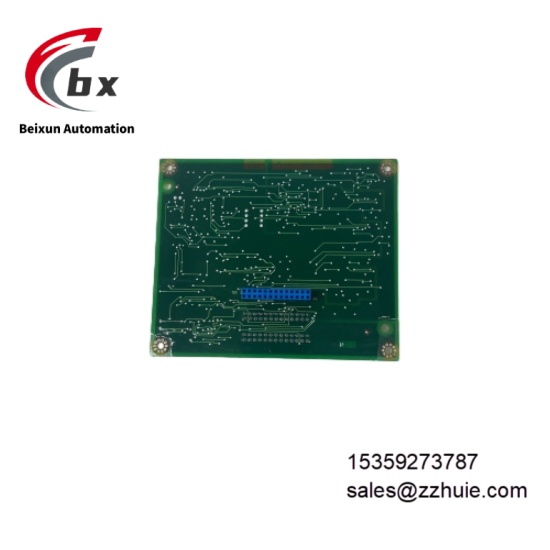


There are no reviews yet.