


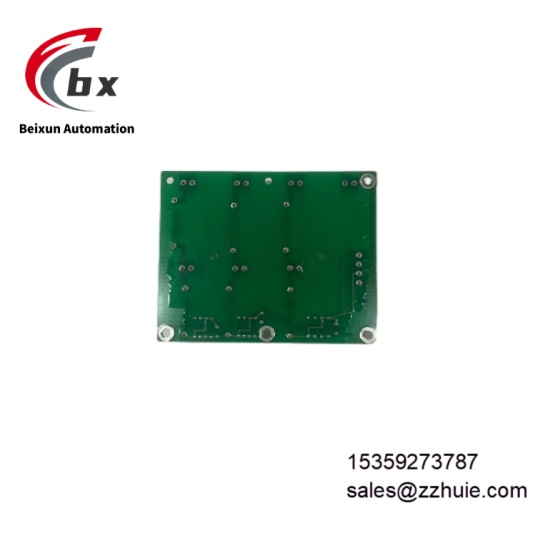
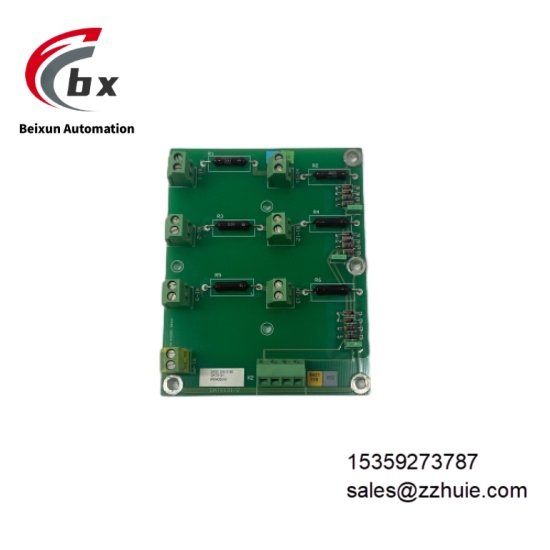

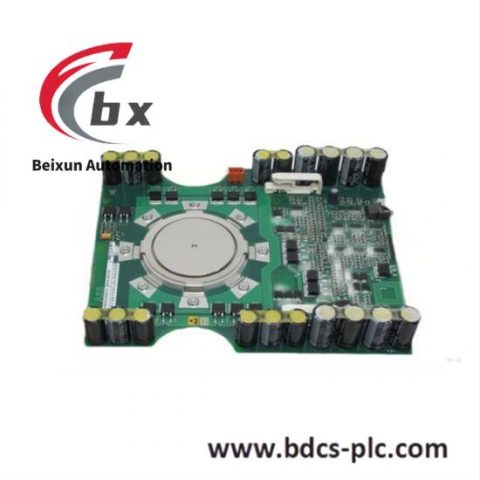
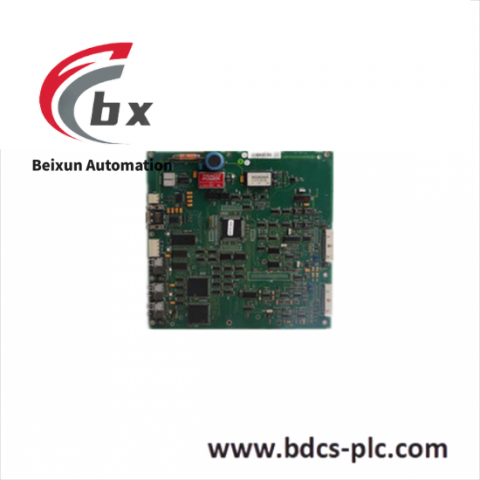
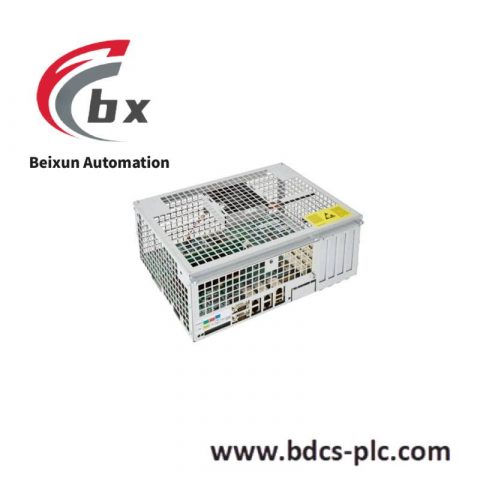
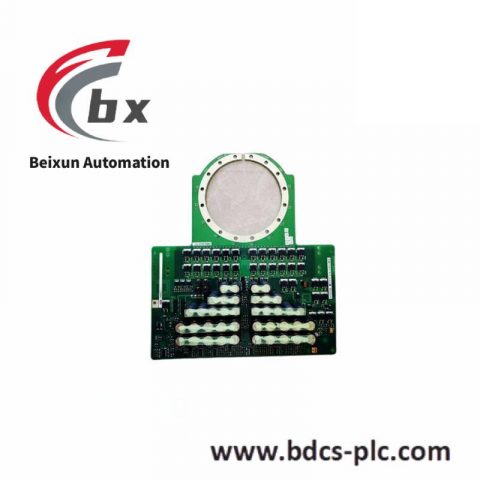
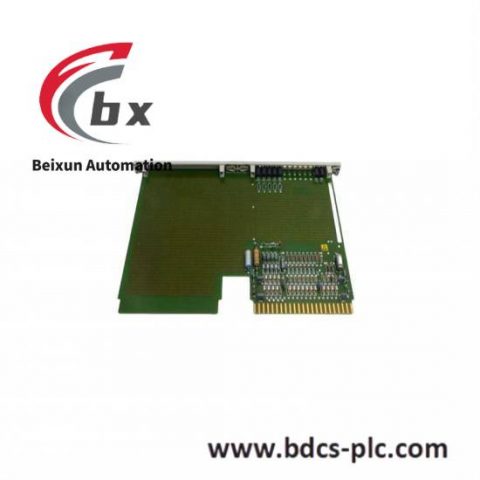
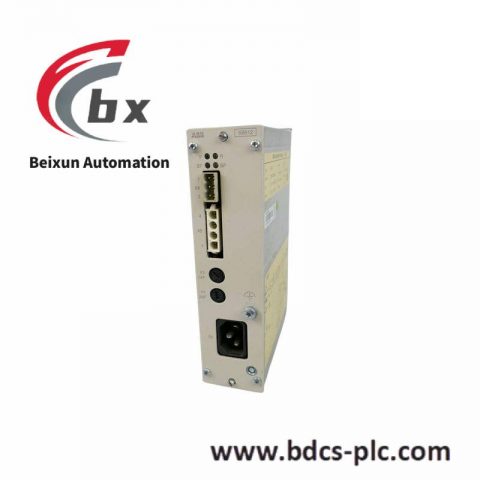
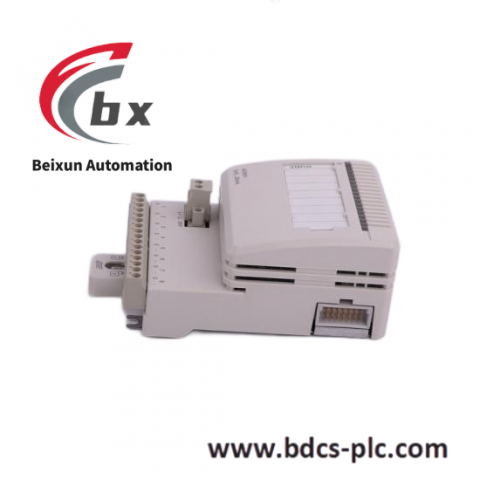
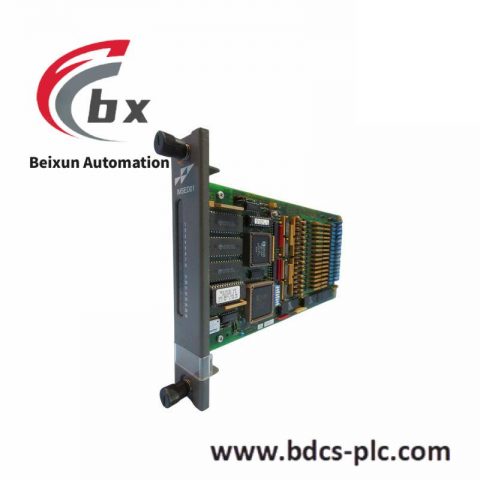
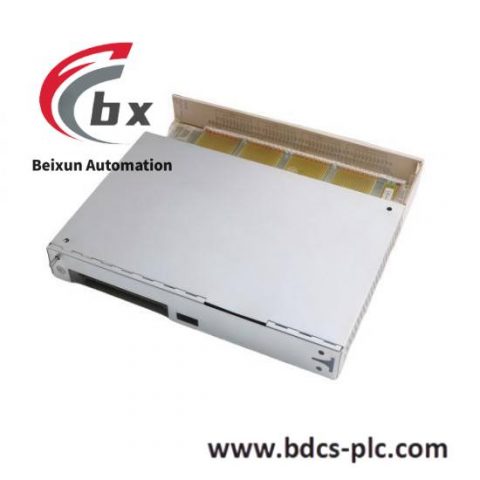
ABB 3ASC25H215E DATX131 controller module
Specific Parameters
- Electrical ParametersProcessor: 32-bit RISC processor, clock speed ≥300MHzMemory Capacity: 64MB RAM (data memory), 32MB Flash (program memory)Power Supply: Adaptable to Symphony Plus system redundant power supply, supporting wide-voltage stable inputCommunication Interfaces: 2×10/100Mbps Ethernet interfaces (RJ45), 1×PROFIBUS-DP interfaceSupported Protocols: Modbus TCP/RTU, PROFIBUS-DP, OPC UARedundancy: Supports dual-machine redundancy configuration, switchover time <100msProgramming Standard: IEC 61131-3 (LD, FBD, ST, IL, SFC)Clock Function: Built-in real-time clock (RTC), event timestamp accuracy up to millisecond level
- Environmental ParametersOperating Temperature: 0°C to 55°C (non-condensing)Storage Temperature: -40°C to 85°CRelative Humidity: 5% to 95% (non-condensing)Protection Class: IP20Anti-interference: Complies with IEC 61000-4 series EMC standards
- Mechanical ParametersMounting Method: Standard rack mounting for Symphony Plus system, supporting hot swappingIndicators: RUN, STANDBY, FAULT, and COMM status LED indicatorsStructure Design: Compact module structure, adaptable to standardized layout of control stations
Product Performance
It delivers strong instruction processing capability. The 300MHz processor can efficiently run multi-loop regulation, sequential control, and safety interlock logic, supporting advanced algorithms such as fuzzy control and predictive control. The dual-machine redundancy mechanism enables seamless switchover, during which I/O scanning is uninterrupted and control output remains stable, ensuring non-disturbance system operation.
Communication response is efficient. Dual Ethernet interfaces can simultaneously connect to operator stations, engineer stations, and SCADA systems, while the PROFIBUS-DP interface enables high-speed data exchange with field devices. Protocol compatibility ensures convenient integration of third-party equipment. It is equipped with comprehensive self-diagnostic functions, which can real-time monitor CPU load, memory usage, and communication traffic. When a fault occurs, it alarms via LED indicators and uploads remote signals, simplifying operation and maintenance troubleshooting.
Data storage is reliable. Flash memory permanently stores programs and configuration parameters, while RAM cooperates with the system redundancy design to prevent data loss. The real-time clock provides accurate timestamps for event records, meeting fault tracing and auditing requirements.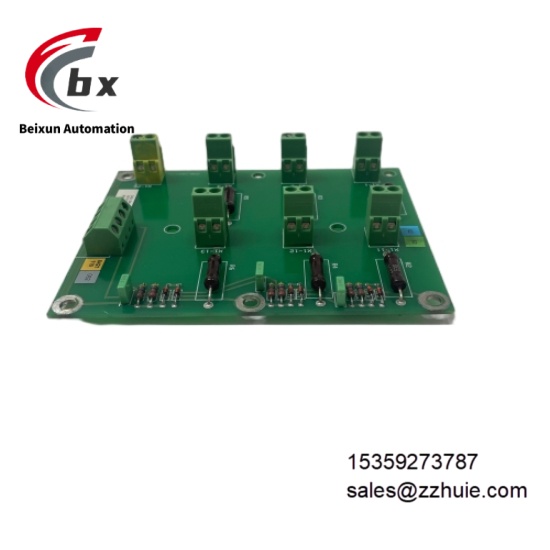
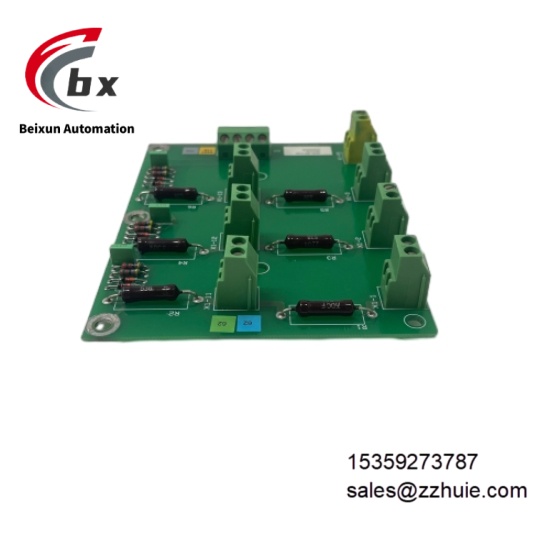



There are no reviews yet.